
Here are the five key marketing strategies that dominate retailer budgets, supported by images and factual data.
1. Digital Advertising (Paid Search & Shopping)
This strategy involves paying for ad placement on search engines and retail platforms to capture customers who are actively looking for products. Retailers spend a significant portion of their budget here because it is a “pay-to-play” environment where visibility is auctioned to the highest bidder.
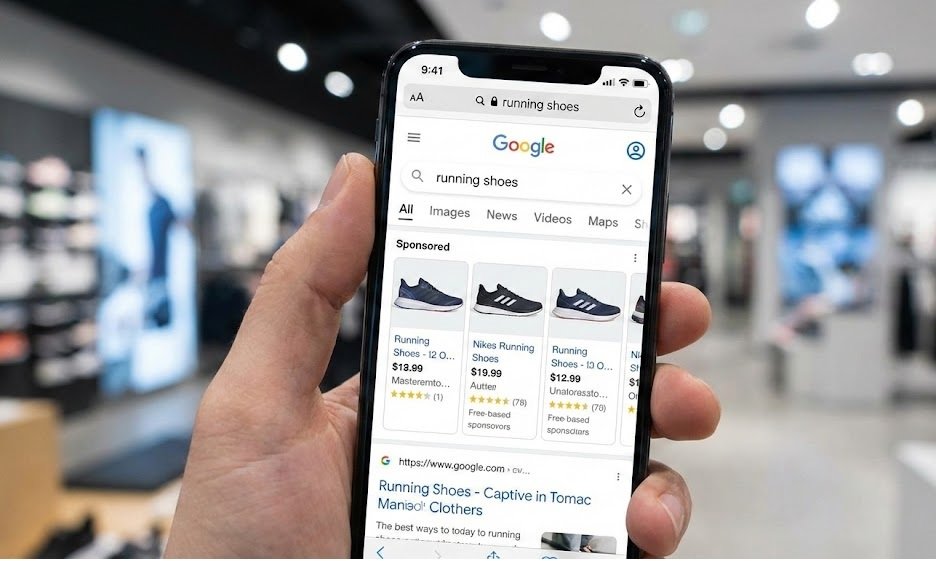
- Fact Data: The average Cost Per Click (CPC) on Google Ads for retail is over $2.00. To acquire a customer in a competitive market, a retailer might have to spend $20 – $50 or more in ad clicks alone. This quickly adds up, especially for high-volume keywords.
2. Social Media & Influencer Marketing
Retailers allocate a large budget to social platforms for both paid ads and influencer sponsorships. This strategy is crucial for building brand awareness, reaching new audiences, and driving “social commerce” sales directly through platforms like TikTok and Instagram.

- Fact Data: A single sponsored post from a mid-tier influencer (50k-500k followers) can cost anywhere from $1,000 to $5,000. When a retailer runs a campaign with dozens of influencers, the costs can easily run into the hundreds of thousands.
3. Loyalty & Retention Programs
Given that acquiring a new customer is 5 to 25 times more expensive than retaining an existing one, retailers invest heavily in programs that keep customers coming back. This includes the cost of the technology platform, points management, and the financial value of the rewards themselves.
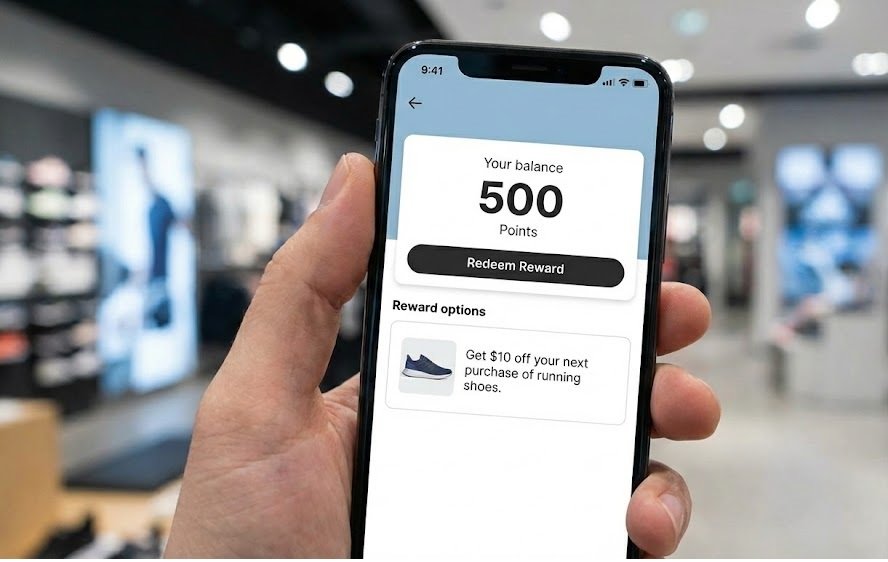
- Fact Data: The “liability” of unredeemed points (points customers have earned but not yet spent) is a major financial obligation that retailers must account for. For a large retailer, this can amount to millions of dollars.
4. MarTech & Data Analytics (AI)
To execute personalized marketing, retailers must invest in a sophisticated technology stack. This includes Customer Data Platforms (CDPs), Customer Relationship Management (CRM) software, and AI tools that analyze vast amounts of customer data to predict future behavior.
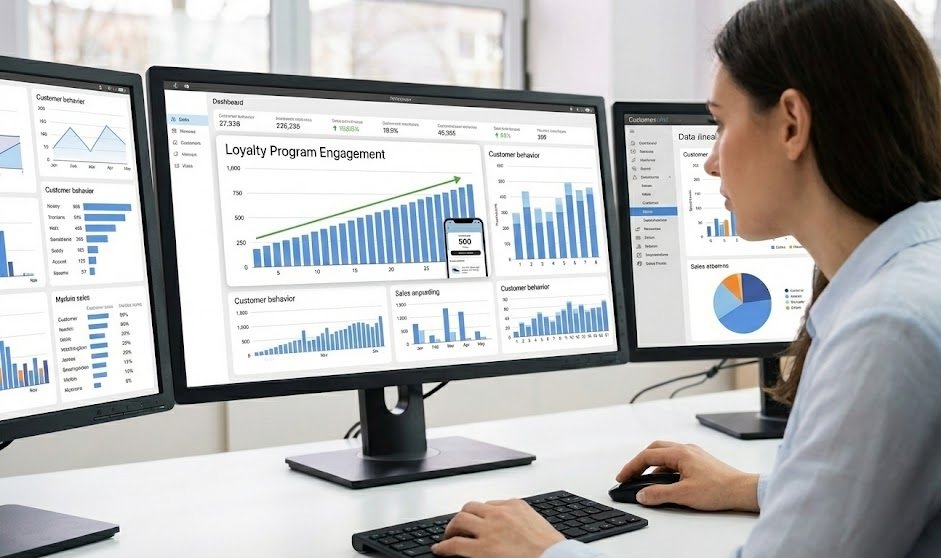
- Fact Data: Annual licensing fees for enterprise-grade marketing technology software like Salesforce or Adobe Experience Cloud can easily reach into the six or seven figures for large retail corporations.
5. Email Marketing & CRM Automation
While it might seem like an older strategy, email marketing remains a top priority due to its high return on investment. Retailers invest in automation tools to send hyper-personalized emails, such as abandoned cart reminders, based on a customer’s specific actions.
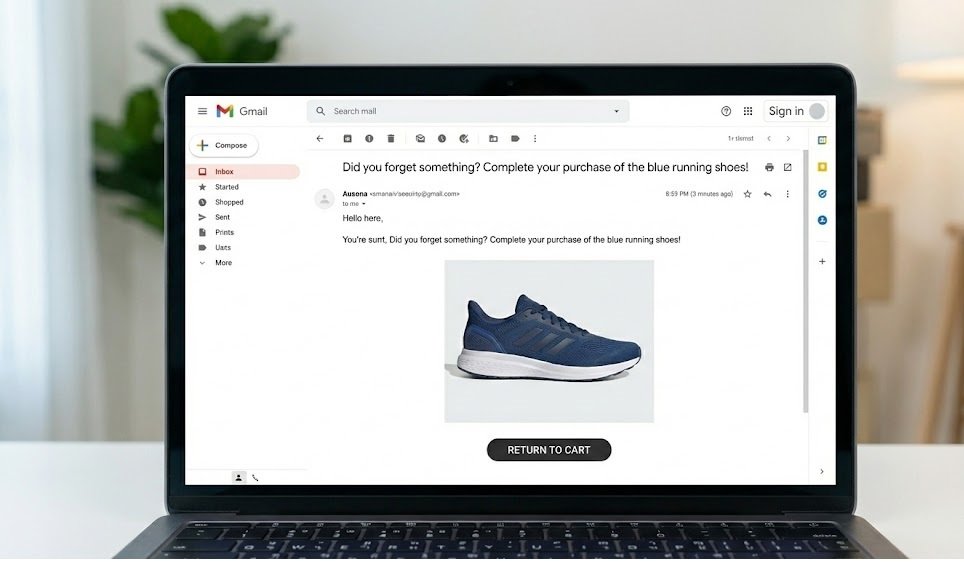
- Fact Data: Automated email campaigns, such as abandoned cart reminders, can have an open rate of over 40% and a conversion rate of over 10%, which is significantly higher than standard promotional emails. The cost lies in the software that enables this automation and personalization at scale.