
Introduction
Google Ads for cars has changed significantly in recent years. In 2026, automotive advertisers are no longer relying solely on traditional text ads. Instead, Google Vehicle Ads, which work similarly to Google Shopping Ads, dominate high-intent search results.
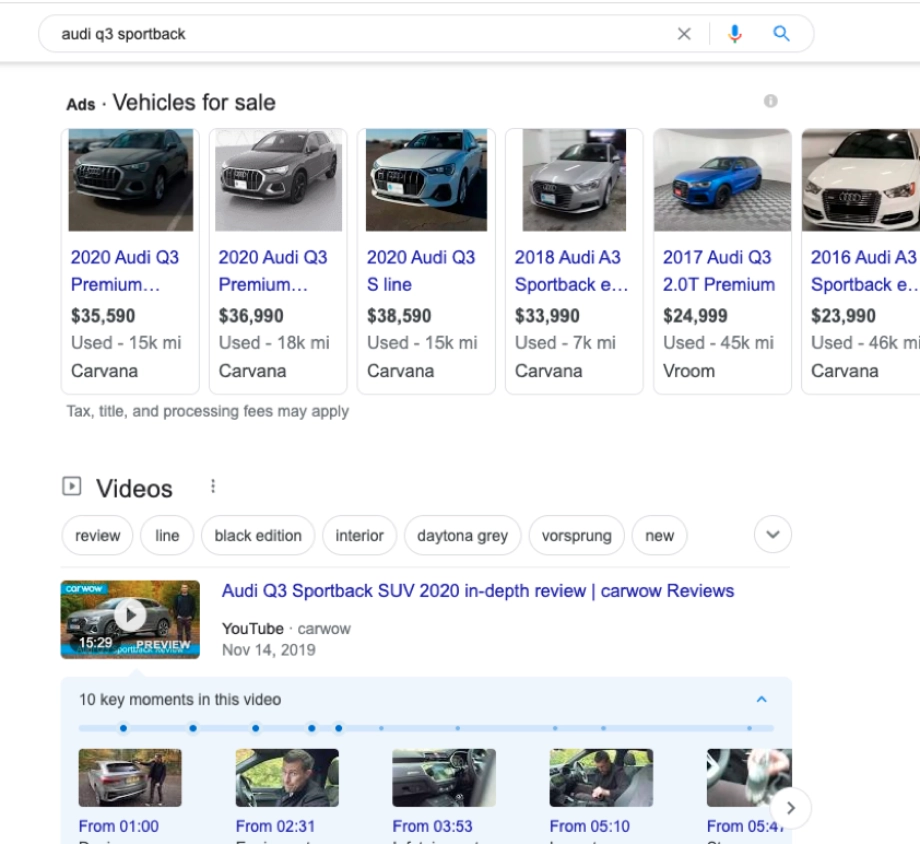
These ads allow car dealerships to showcase individual vehicles directly in Google Search, including images, prices, mileage, and key specifications. This article explains how to create a Google vehicle feed and demonstrates its impact through a realistic, fictional case study designed for marketers, PPC professionals, and dealership owners.
What Are Google Vehicle Ads?
Google Vehicle Ads are inventory-based ads powered by Google Merchant Center and delivered through Performance Max campaigns. Each vehicle is treated as a product, much like standard Google Shopping ads.
Instead of writing keyword-based ads, advertisers upload a vehicle inventory feed containing structured data for every car they sell. Google then automatically matches this inventory to users searching for relevant vehicles.
This approach improves ad relevance, increases lead quality, and reduces wasted ad spend by showing buyers exactly what is available before they click.
Case Study Overview: CarMax Motors (Fictional)
CarMax Motors is a fictional mid-sized UK car dealership selling both new and used vehicles. Before implementing Vehicle Ads, the dealership relied on generic Google Search campaigns targeting keywords such as “used cars near me” and “buy cars in London”.
Although traffic volume was reasonable, many clicks came from users who were not ready to buy or who were outside the dealership’s price range. This resulted in high bounce rates and an increasing cost per lead.
To solve this, CarMax Motors transitioned to Shopping-style Vehicle Ads powered by a vehicle feed.
The Challenge with Traditional Car Ads
Traditional search ads do not show vehicle details upfront. Users must click through multiple pages to see prices, mileage, and availability.
This caused three major problems:
- Low-intent users clicking ads
- Poor lead quality
- High cost per lead
The dealership needed a way to advertise actual cars, not just generic offers.
Creating a Google Vehicle Feed
The vehicle feed is the foundation of Google Vehicle Ads. It is uploaded into Google Merchant Center and contains structured information for every vehicle available for sale.
Each row in the feed represents one vehicle.
Example Vehicle Feed Attributes
| Attribute | Example |
| ID | CM001 |
| Make | BMW |
| Model | 3 Series |
| Year | 2021 |
| Price | £30,000 |
| Mileage | 15,000 |
| Colour | Black |
| Availability | In stock |
| Store code | CM_LONDON |
Sample Vehicle Feed (CSV Format)
id,make,model,year,price,mileage,colour,availability,store_code
CM001,BMW,3 Series,2021,30000,15000,Black,in_stock,CM_LON
CM002,Audi,A4,2022,32000,12000,White,in_stock,CM_LON
CM003,Toyota,Corolla,2023,21000,8000,Silver,in_stock,CM_LON
Once uploaded, Google reviews the feed for accuracy, eligibility, and policy compliance before approving it for ads.
Activating Vehicle Ads in Google Merchant Center
After the feed is approved, Vehicle Ads are enabled within Google Merchant Center. The dealership must also link:
- Google Ads account
- Website domain
- Google Business Profile
This allows Google to use vehicle data alongside location and conversion signals when serving ads.
How Vehicle Ads Appear in Google Search
Approved vehicles appear as Shopping-style listings in Google Search rather than traditional text ads. Each listing typically includes:
- Vehicle image
- Price
- Make, model, and year
- Mileage
- Dealer name and location
This format allows users to compare vehicles directly on the search results page.
Performance Max Campaign Setup
Google Vehicle Ads are delivered through Performance Max campaigns. Instead of targeting keywords manually, advertisers optimise:
- Vehicle feed quality
- Conversion tracking
- Budget and bidding strategy
CarMax Motors configured the campaign to optimise for lead actions such as contact form submissions and phone calls. Call assets were enabled to capture high-intent users searching on mobile.
Results After 60 Days
Website Traffic Growth
| Period | Monthly Sessions |
| Before Vehicle Ads | 5,000 |
| After Vehicle Ads | 8,900 |
Traffic increased by 78%, driven by users actively searching for specific vehicles.
Lead Growth
| Metric | Before | After |
| Form leads | 80 | 210 |
| Phone calls | 40 | 110 |
| Total leads | 120 | 320 |
Lead volume increased by 167%, with significantly higher intent compared to generic search campaigns.
Cost Per Lead Improvement
| Metric | Before | After |
| Cost per lead | £45 | £28 |
The Shopping-style format reduced wasted clicks, resulting in a 38% reduction in cost per lead.
Why Google Shopping-Style Vehicle Ads Work
Vehicle Ads perform better because they match how people actually shop for cars. Buyers want to see images, prices, and specifications before contacting a dealership.
By showing this information upfront, Google filters out low-intent users and sends dealerships warmer, better-qualified leads.
Conclusion
In 2026, Google Vehicle Ads function as Google Shopping Ads for cars. Dealerships that continue to rely only on text ads risk losing visibility and efficiency.
This case study shows that combining a clean vehicle feed with Performance Max campaigns can:
- Increase qualified traffic
- Improve lead quality
- Reduce acquisition costs
For automotive advertisers, building and maintaining a vehicle feed is no longer optional — it is a core requirement for success with Google Ads.